



Agents break boundaries
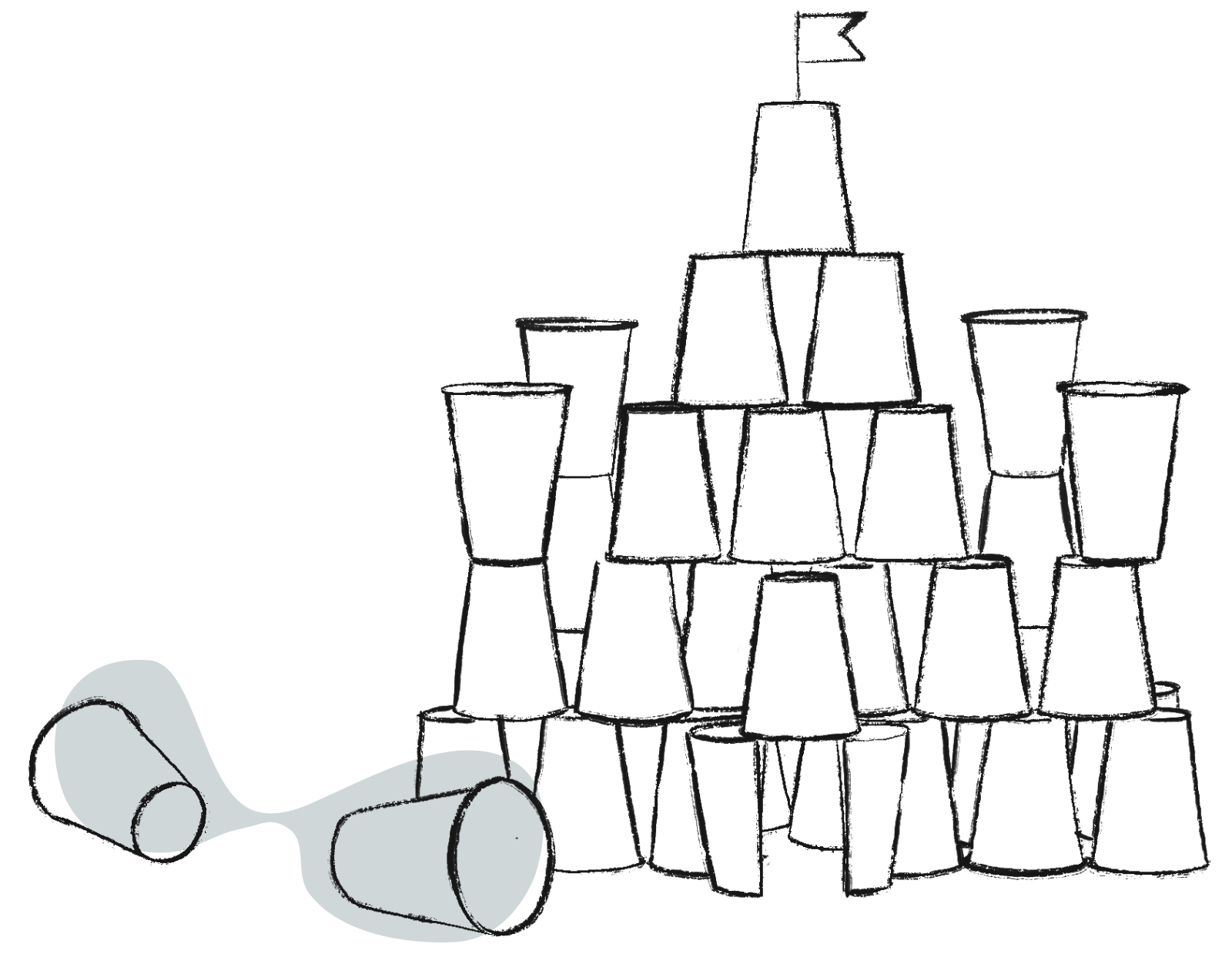
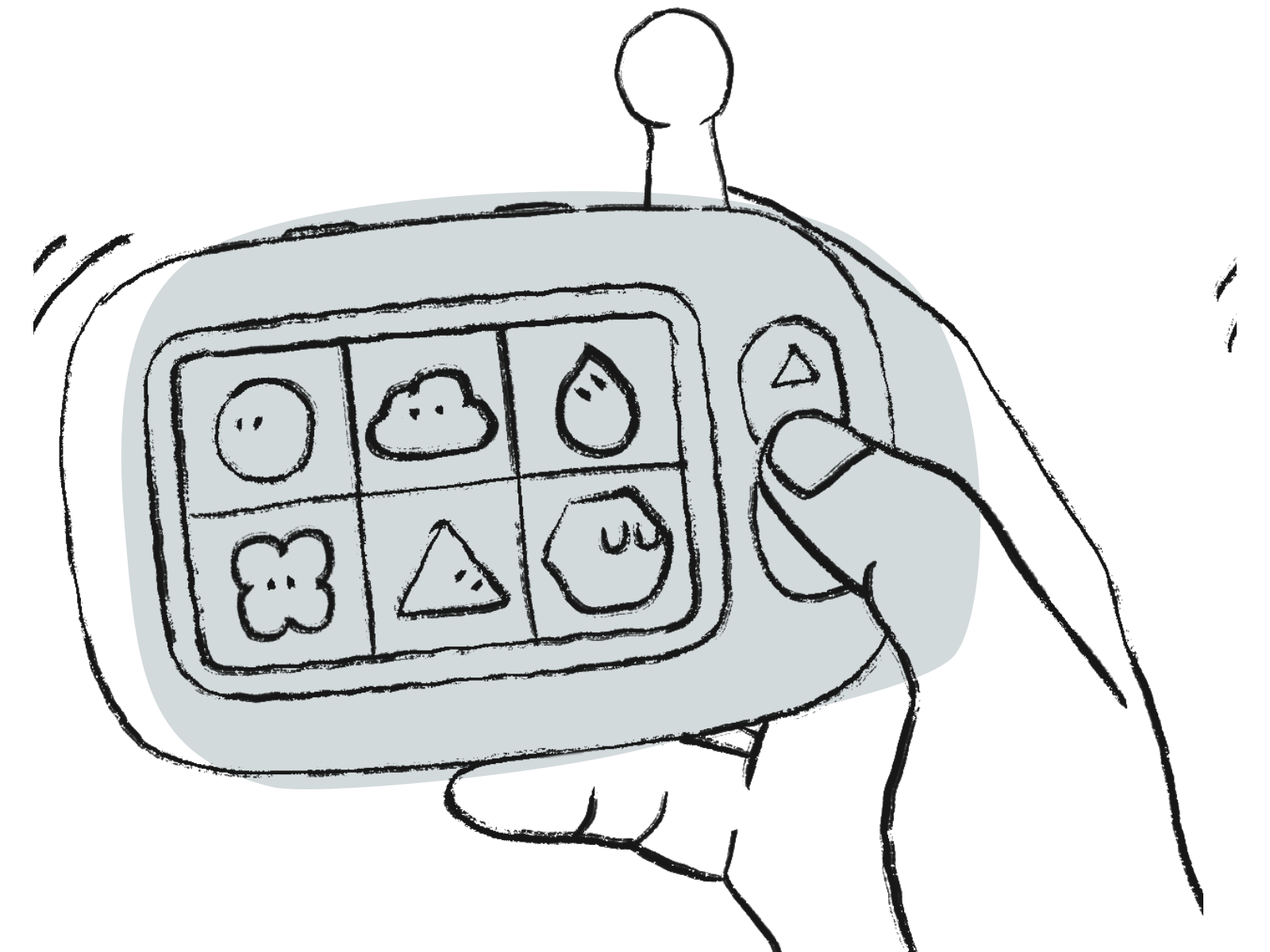
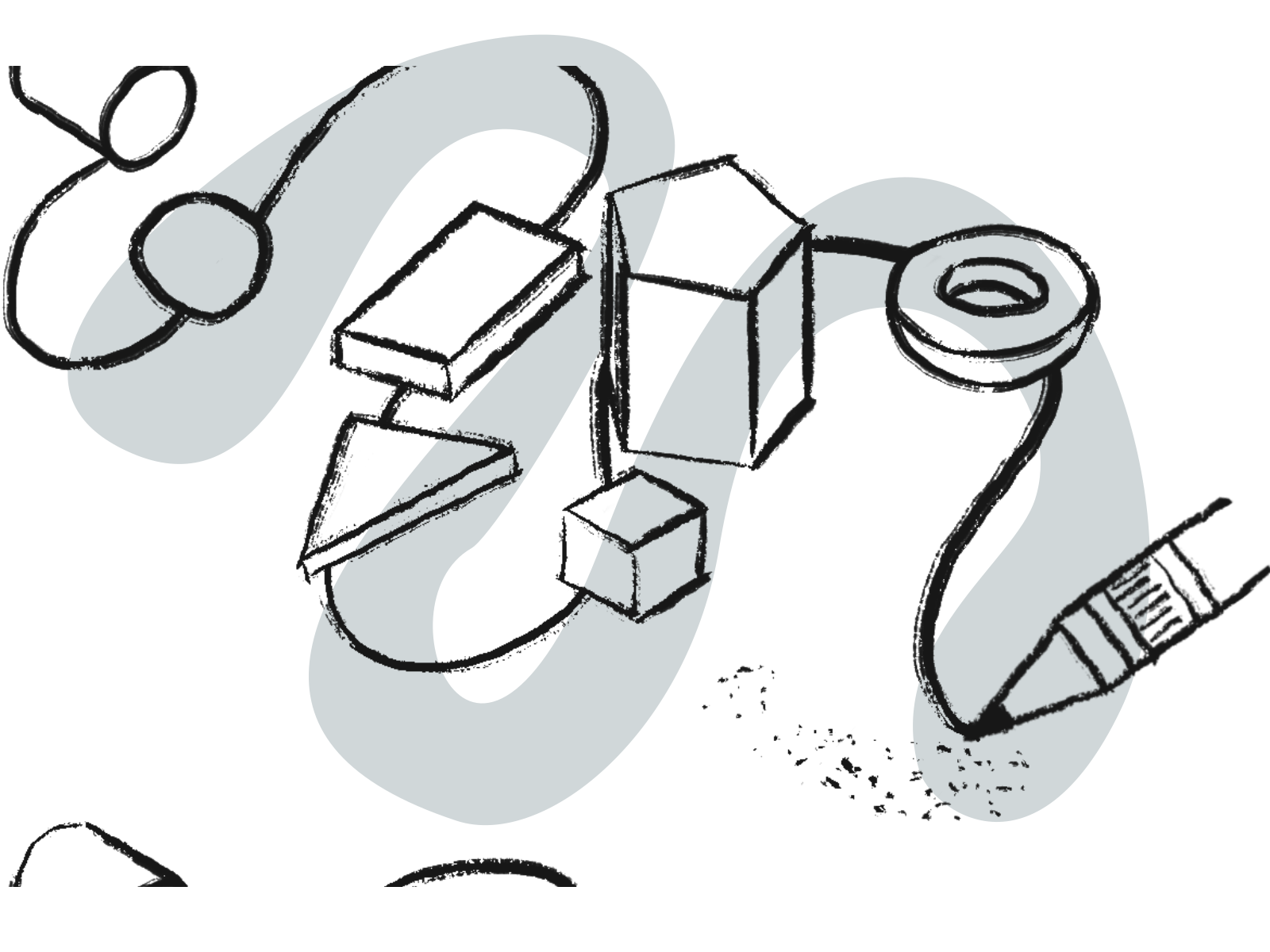
Gold, Lavender, and Blue want to get to the next room. They jump, stack, pull, and help each other through a grid whose lines stretch, break, and heal as they move. Become part of their journey by drawing new obstacles for them to explore and break. Try a ramp, a low ceiling, or a shape they have to work around, and see what happens.
The boundaries are part of the design
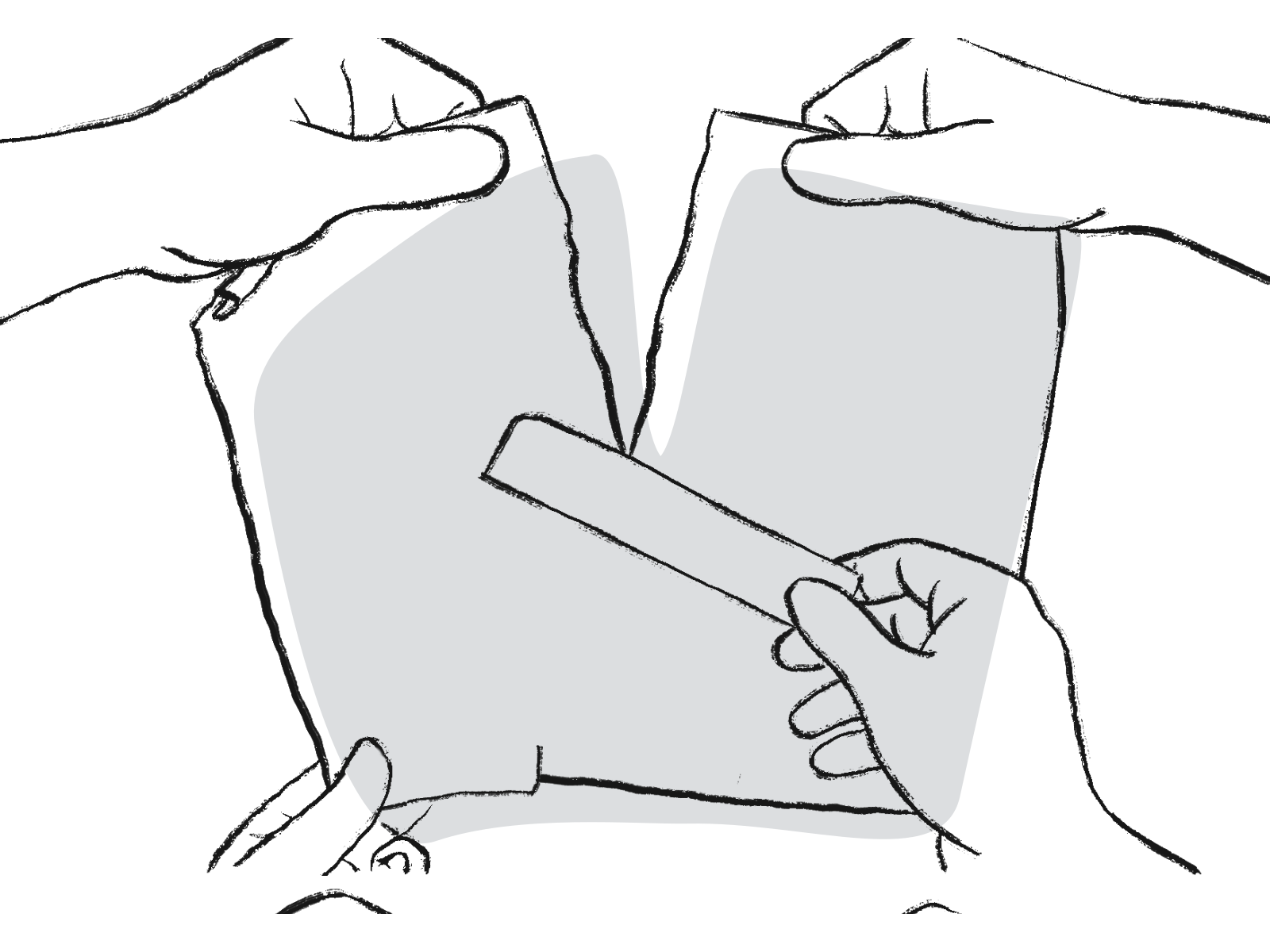
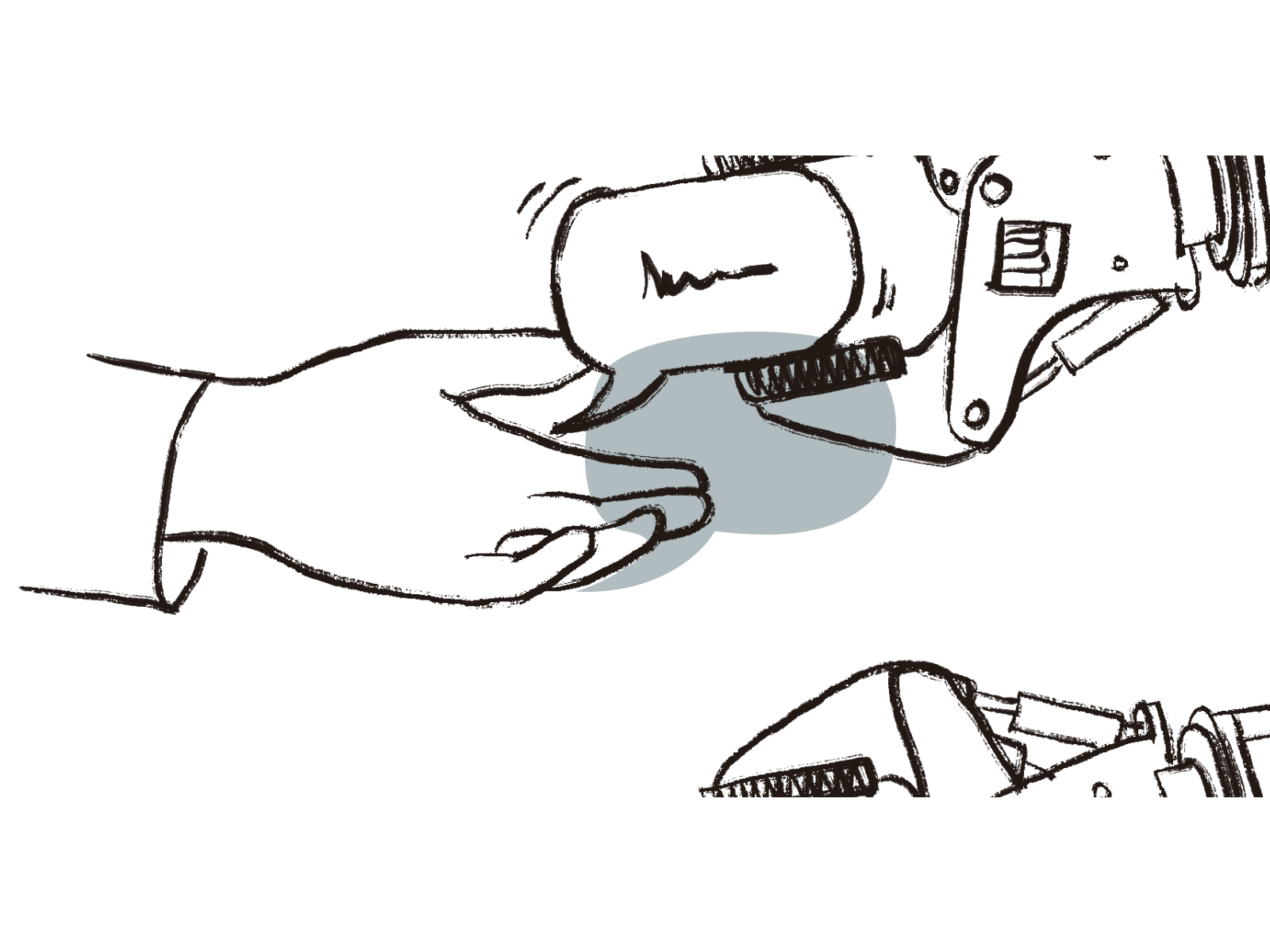
In this playground, breaking a boundary is part of the fun. The agents have somewhere to go, and the grid gives them something to push against. A line that looks like a limit becomes a route when it stretches, gives way, or becomes a ramp. It is a playful way to ask a more serious question:
An agent working toward a goal may find a path we did not anticipate. When boundaries are flexible, loosely scoped, or expressed only as instructions, that path may cross a limit we intended to hold. In a business, the consequences can be real: accessing a customer record it should not see, changing a system it should only read, or making a commitment that required someone’s approval. Completing the task does not, by itself, make the path acceptable.
A prototype can show us what an agent is capable of. Deploying it into real work requires an environment that governs what it is allowed to do. That means explicit policies, narrowly scoped permissions, identity checks that establish who it is acting for, and authorization checks on the actions it takes. Some steps need deterministic paths: fixed rules, validation, and approval gates that the agent cannot improvise its way around. People also need to see what happened, intervene when needed, and recover when something goes wrong.
When I think about designing user experiences for this new era, this is the material we are working with: goals, permissions, policies, uncertainty, and human judgment. We are deciding where an agent has room to explore, where it must ask, and where a boundary must hold.